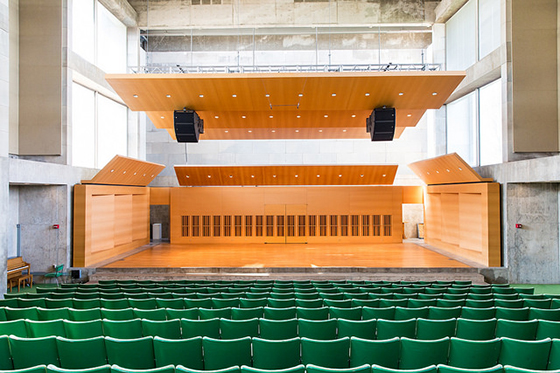
“We can’t stand a work of architecture until we go the mat not to lose it.”
That’s the last line of the admiring account in the NYT today of the restoration of a 1966 “Brutalist behemoth“: the former Whitney Museum, designed by Marcel Breuer. It looks like a humdinger! Regarded as unpleasant when it was first presented; with time, its virtues became apparent; now, it is precious.
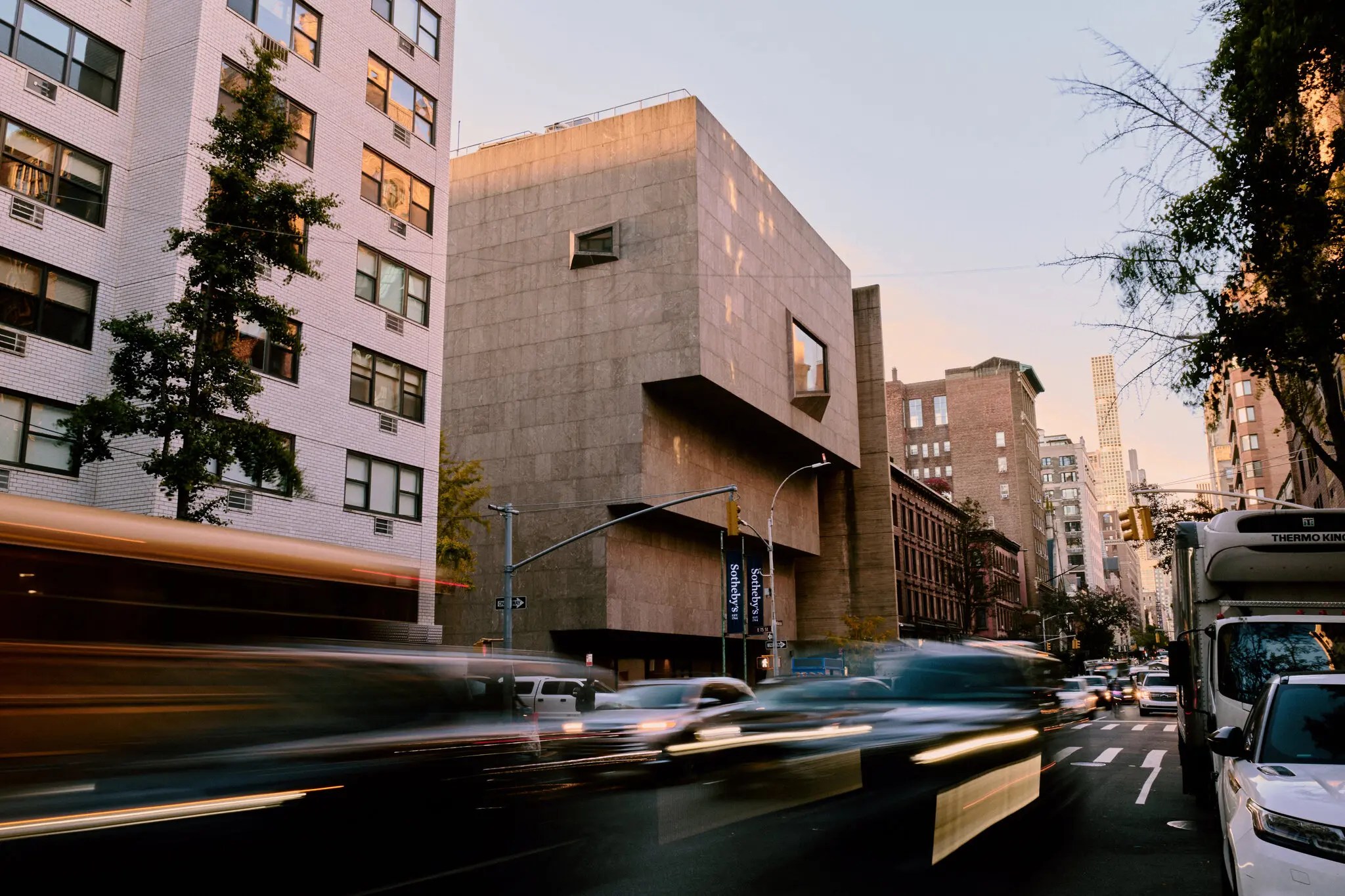
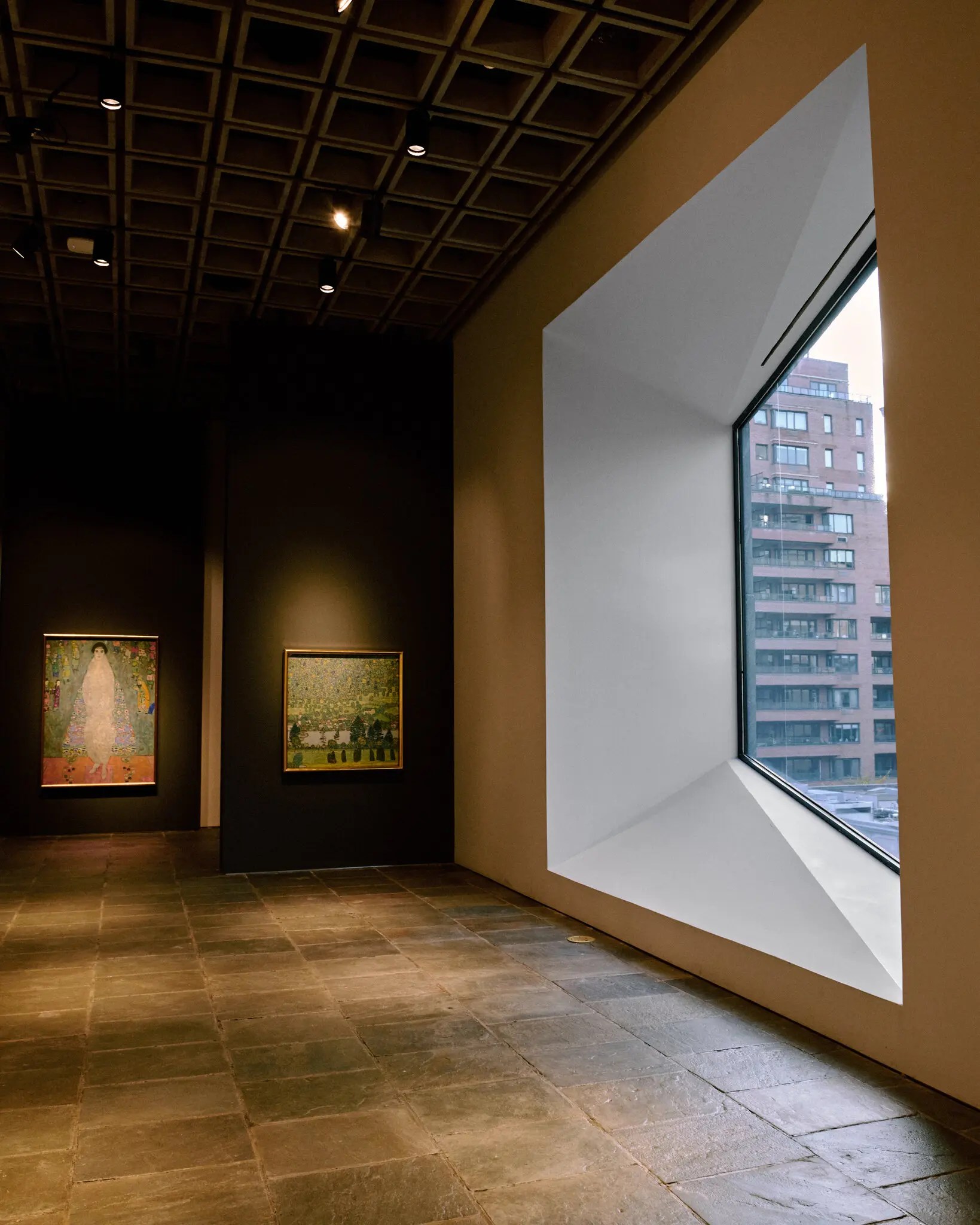
I don’t know from architecture. But I do know how it feels to be inside a building that makes its presence known, and I have a special feeling for Brutalist spaces. Buildings that are not pretending they are not buildings. Buildings that show you what they are made of, and that they intend to do something to you.
I think I learned to love this aesthetic in my first year of college. Late in that first fall I auditioned for the annual musical review, which was staged inside the campus’s concert hall. The fine arts complex at Wesleyan was appended to the original brownstone row in the early 70s, a deliberate interruption of the “ived walls and storied halls” feel of the place before then. It was a bold flex of the university’s standing as an incubator for innovators and wayfinders.
It still makes an impact now. Crossing Wyllys Avenue is jumping a century into a recent past, an incongruity so intentional it makes you stop and wonder what it is trying to teach you.
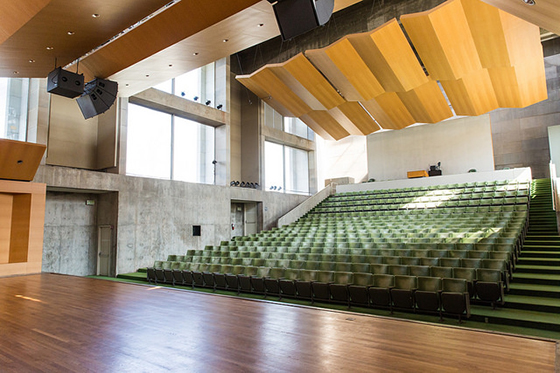
I spent more time inside that limestone and poured cement pile than I did just about anywhere else that first semester, besides the then-reviled, now-mourned flying saucer dining hall. (I did not see Joni Mitchell there, but I did perform on that stage!)
I can see now what I couldn’t then: this was a place for students to get used to working, exhibiting, and thriving in galleries. To get used to being seen and heard. To understand that they had something to make and share, and in order for them to make it, spaces like these were going to be theirs. They should get comfy in them.
But I was not comfy back then in spaces like these. Then, they were just weird. “Modeled on Lenin’s tomb,” a smartass friend of mine would joke. “Will make great ruins someday.”
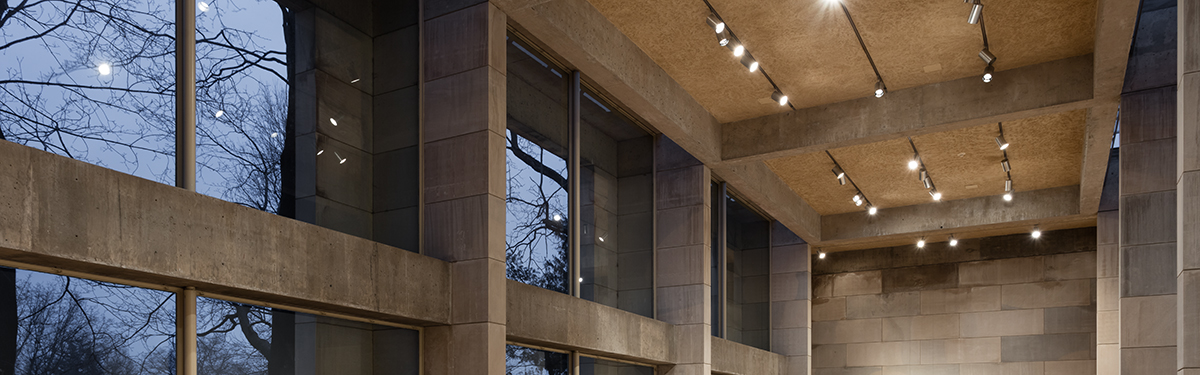
But when I re-entered that building at my son’s frosh orientation, it didn’t feel like a tomb. It felt alive. Because cement and limestone buildings breathe, is the thing. You smell the stone and feel the damp coming off all that exposed expanse. It is like a greenhouse, but for rock, not dirt. (And for people, maybe.) Brutalist buildings are elemental places where things get broken down and maybe regrow into other things.
The sensory charge took me right back to those first weeks, like smell and damp will. The weeks when college was in the process of blowing my damn mind. That was where I became convinced that college should smart a bit. You should wonder if you are in the right place, then find a way through to make it the right place for you.
Wesleyan was the first place this highly-desirable discomfort was committed against me. The first place I had to realize that there were a lot more kinds of people in the world than the ones I had met so far in Mormon churches and Air Force base towns and southern suburbs.
This is where I met real “city kids.” Kids who played speed chess and lacrosse and ultimate Frisbee very seriously; kids who were used to taking charge of what was going to happen when they walked into a room. Kids from places like Stuyvesant and Spence, where leadership was a birthright conveyed as comfortably as a pair of L.L. Bean boots. When I came to the first rehearsal of that show I looked around for the director–the grown-up that was going to validate this thing and make it good. There was none. Like so much that happens at Wes, the students were the directors, designers, and choreographers, as well as the actors. This is what we were here to do, after all. Let’s do it.
I continue to think that college should be hard: that you should be properly dumbfounded and discomfited at first by at least some of what you find there. Not abused, of course; always respected, always seen and honored. But I still believe that student evaluations of instructors are foolish for many reasons–and not only for their well-documented bias in support of white, male, cis, people like me and against women, queer folks, and people of color.
The first reason is that students, by their very nature, do not know what they are there to learn. They do not know what experience is the one they need. Why would we ask them if they think they got what they should have?
I learned that at Wesleyan. My professors would sometimes really step us through a passage, or explain in those pre-Wikipedia days where a text or a painting fit into the historical sweep I barely understood. Sometimes they would slow down and make it easy. Thank God for those folks. But a lot of the time, that amazing faculty just gave us the full blast of their erudition, and it was on us to keep up. (Maybe Stuyvesant and Spence were keeping up better than me. I don’t know.)
A lot of the time, I believe now, the overwhelm was the point. Exactly: you are uncomfortable. Exactly: who you were when you came in is not up to the demands being made upon you. So grow and change. Let it smart a little along the way.
I couldn’t handle some of how my mind was being blown at Wesleyan that first year. Several tearful calls back home from the payphone at the end of the hall in Foss 7. (Oh the payphone call home!) Several intense moments of wondering if this had been a terrible mistake.
In those first weeks I stepped on a rusty pipe in front of the decommissioned frat house that held the Romance Languages department. It gave me a gash in the bare top of my foot (yes, I was wearing Top-Siders without socks) that hurt and bled, and left a scar I still can still see.
A little on the nose, but I need it simple sometimes. School can mark us. Sometimes, it should.
I am so grateful for how Wesleyan marked me. So grateful for how it blew my mind, and how it didn’t slow down for me. Grateful that the point was for me to find a way to keep up.
Like a bold building that once made us uncomfortable, but now we revere, maybe. At the time, maybe we couldn’t see what it was trying to do to us and for us, and we sure weren’t grateful enough for it. And now we are.
Thanks alma mater, for the sometimes brutal love I actually needed.
Class starts in thirty minutes. Time to pay it forward.
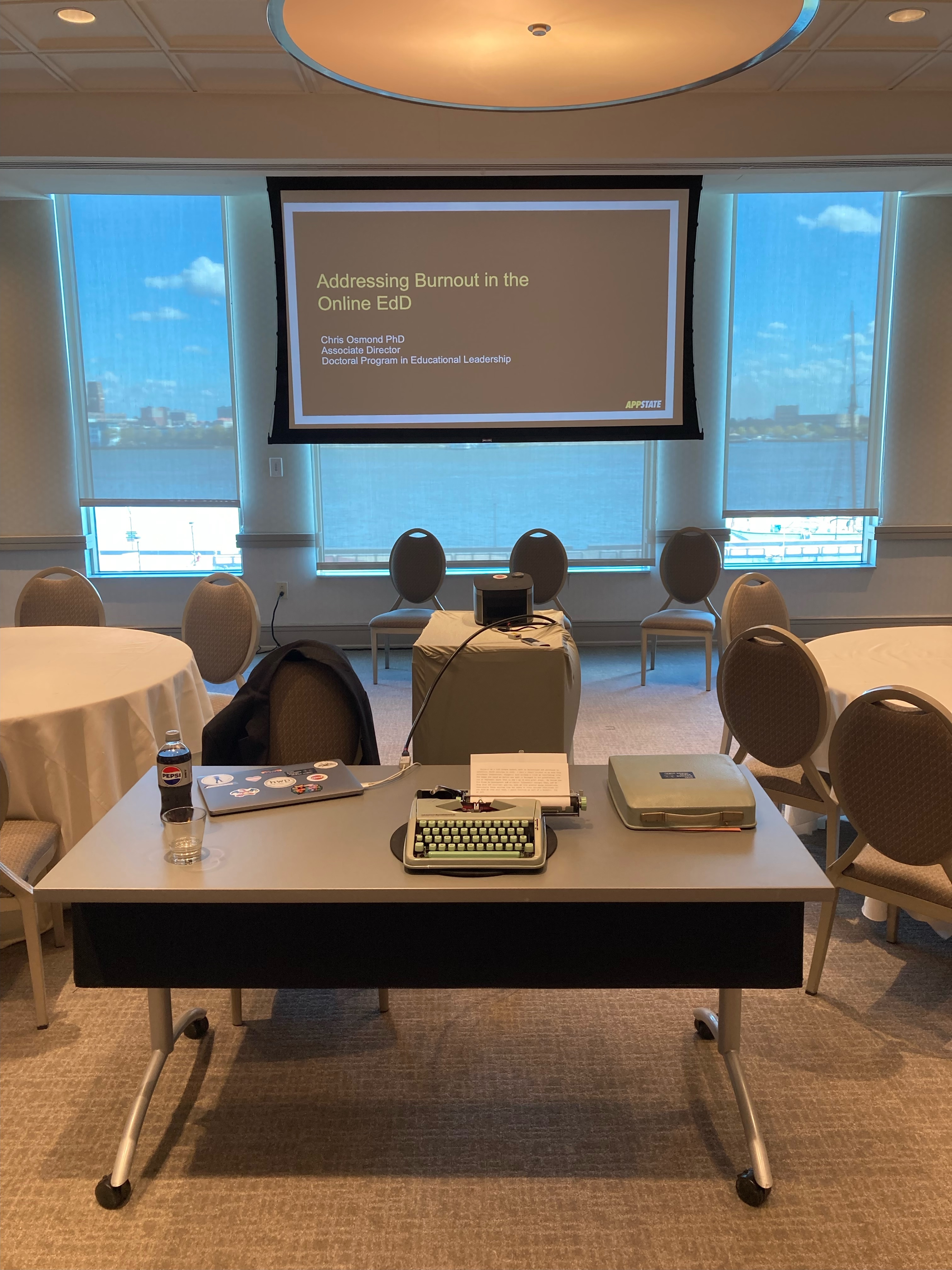
(No typewriters in this post! Apologies / you’re welcome. I will note that in 1987 I brought a Brother electric typewriter along with me for my frosh year. It could remember a whole paragraph, and let you proofread it excruciatingly on a tiny LCD screen above the keyboard. Then you hit “Enter” and the whole thing clattered out on the page at once, like ChatGPT if it ran on acorns and elves. I took a long leave after that year; when I returned in Jan 1991, everyone had little beige Macintoshes.)
Two images from Wesleyan’s Crowell Concert Hall page.; one from the Zilkha Gallery page.
 Chris Osmond PhD